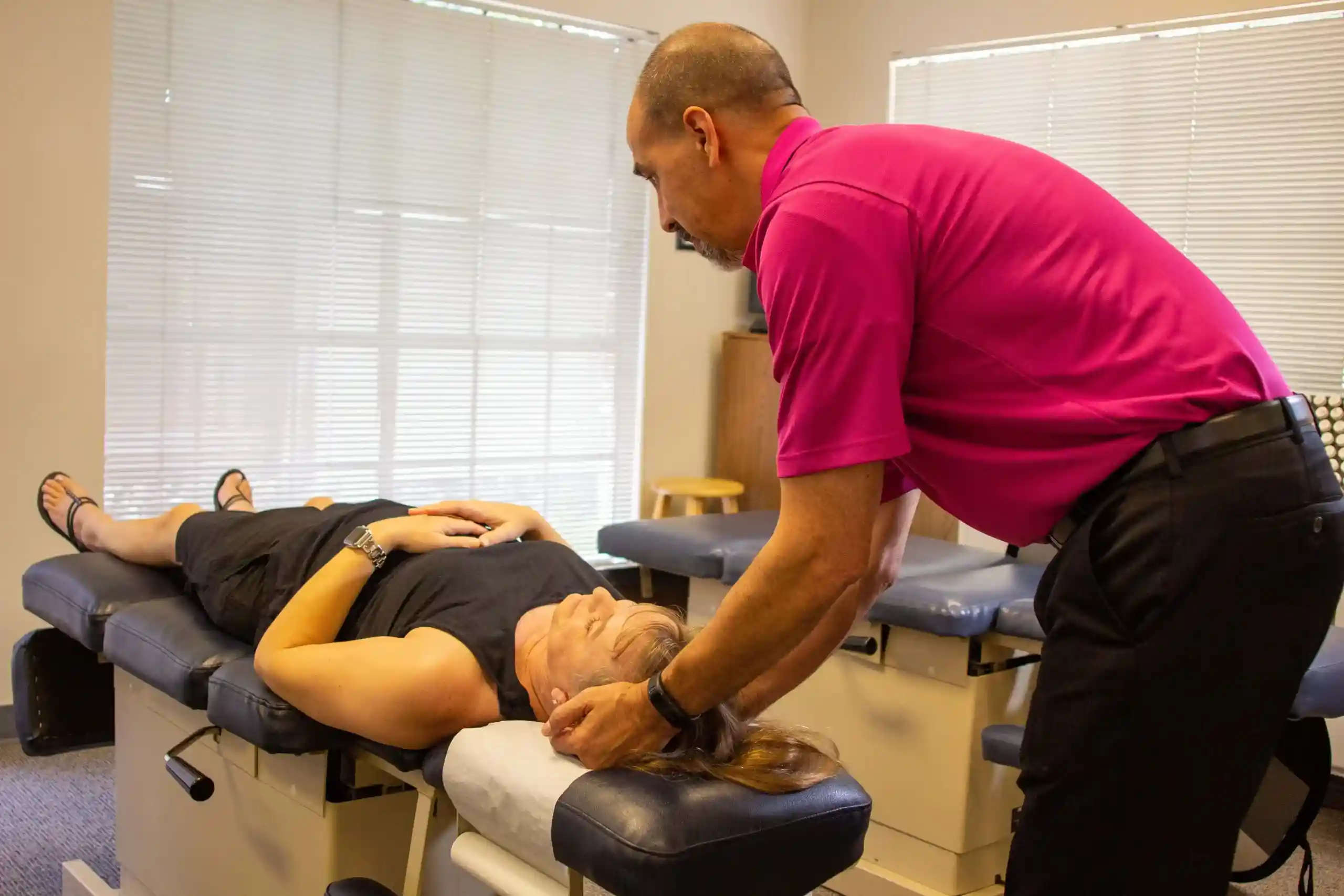
Your mother was right — you should sit up straight. But the reasons go far beyond looking confident. Poor posture is one of the most overlooked causes of chronic pain, low energy, headaches, and declining health, and in our screen-dominated world, it is reaching epidemic levels. At Aloha Wellness, Dr. Clark sees the consequences of poor posture every single day, and the good news is that it is correctable at almost any age.
Posture Is a Window Into Your Spine
Posture is not just about how you look — it is a direct reflection of your spinal alignment and nervous system function. When you stand or sit with your head forward, shoulders rounded, and upper back hunched, it means the vertebrae in your spine have shifted from their optimal positions. These structural changes compress nerves, strain muscles, and accelerate degeneration of spinal discs and joints.
The Insight nerve scanning technology we use at Aloha Wellness can actually measure how these postural distortions are affecting your nervous system. Many patients are surprised to see that their “minor” slouch is causing measurable interference in nerve communication to organs and muscles throughout their body.
The Hidden Costs of Poor Posture
Chronic Pain
Forward head posture adds 10 pounds of effective stress to your cervical spine for every inch your head moves forward. Over time, this leads to neck pain, upper back pain, shoulder tension, and headaches that become a daily occurrence. Lower back pain is equally common, as the lumbar spine compensates for the imbalance above it.
Reduced Lung Capacity
A slouched posture compresses your chest cavity and limits how fully your lungs can expand. Studies show that poor posture can reduce lung capacity by up to 30 percent. Less oxygen means less energy, poorer concentration, and increased fatigue — symptoms many people blame on aging, stress, or poor sleep.
Digestive Issues
When your torso is compressed, your digestive organs are compressed too. Poor posture can contribute to acid reflux, bloating, and sluggish digestion by physically restricting the space your stomach and intestines need to function properly.
Nervous System Interference
This is the big one that most people miss. Your spinal cord runs through your vertebral column, and every nerve that controls your organs, muscles, and glands branches off from it. When vertebrae are misaligned due to poor posture, they can interfere with these nerve signals. The result is not always pain — it can manifest as poor sleep, weakened immunity, hormonal imbalances, or reduced organ function.
What Causes Poor Posture?
The modern lifestyle is essentially designed to destroy your posture:
- Desk work — hours of sitting with a forward head and rounded shoulders
- Phone use — looking down at a screen forces your cervical spine into a stressed position
- Driving — bucket seats encourage slouching and pelvic tilt
- Sedentary lifestyle — weak core and postural muscles cannot maintain proper alignment
- Old injuries — your body compensates around past injuries, creating long-term postural distortions
How Chiropractic Care Corrects Posture
Posture correction is not as simple as “trying to sit up straighter.” If your vertebrae are misaligned, no amount of conscious effort will override the structural problem. You need to address the alignment first, then retrain the muscles and habits.
At Aloha Wellness, Dr. Clark uses a three-phase approach:
Phase 1: Chiropractic adjustments restore proper spinal alignment and joint mobility. This is the foundation — without it, exercises and ergonomic changes will only provide temporary relief.
Phase 2: Corrective exercises strengthen the muscles that support good posture and stretch the ones that have shortened from years of poor alignment. Dr. Clark designs a home exercise program specific to your postural findings.
Phase 3: Lifestyle modifications address the daily habits that contributed to the problem — workstation setup, sleep position, phone use, and movement patterns.
For patients whose poor posture has led to chronic inflammation or fatigue, Dr. Clark also incorporates nutritional support to give the body the resources it needs to heal and maintain the structural improvements.
It Is Never Too Late to Fix Your Posture
Whether you are 25 or 65, your posture can be improved. The spine is remarkably adaptable when given the right support. The sooner you start, the easier and faster the correction — but even patients who have lived with poor posture for decades see meaningful improvement.
Stop waiting for the pain to force you into action. Call (210) 988-9388 or visit [Request Appointment](/contact) to schedule a posture evaluation with Dr. Clark at Aloha Wellness in San Antonio.